Unveiling the Thyroid Cartilage: Your Neck's Shield and Voice Architect
Deep within the intricate network of your neck lies a structure often overlooked yet profoundly vital: the thyroid cartilage. More than just a bony prominence, this anatomical marvel serves as the primary protective shield for your delicate voice box and plays an indispensable role in critical physiological processes, from vocalizing to breathing and swallowing. Understanding the thyroid cartilage isn't just about anatomical knowledge; it's about appreciating the sophisticated engineering that allows us to communicate, protect our airways, and maintain overall health. This comprehensive guide will delve into its precise location, intricate anatomy, and the crucial functions it performs, offering insights into one of the body's most fascinating cartilaginous structures.
Location and Intricate Anatomy of the Thyroid Cartilage
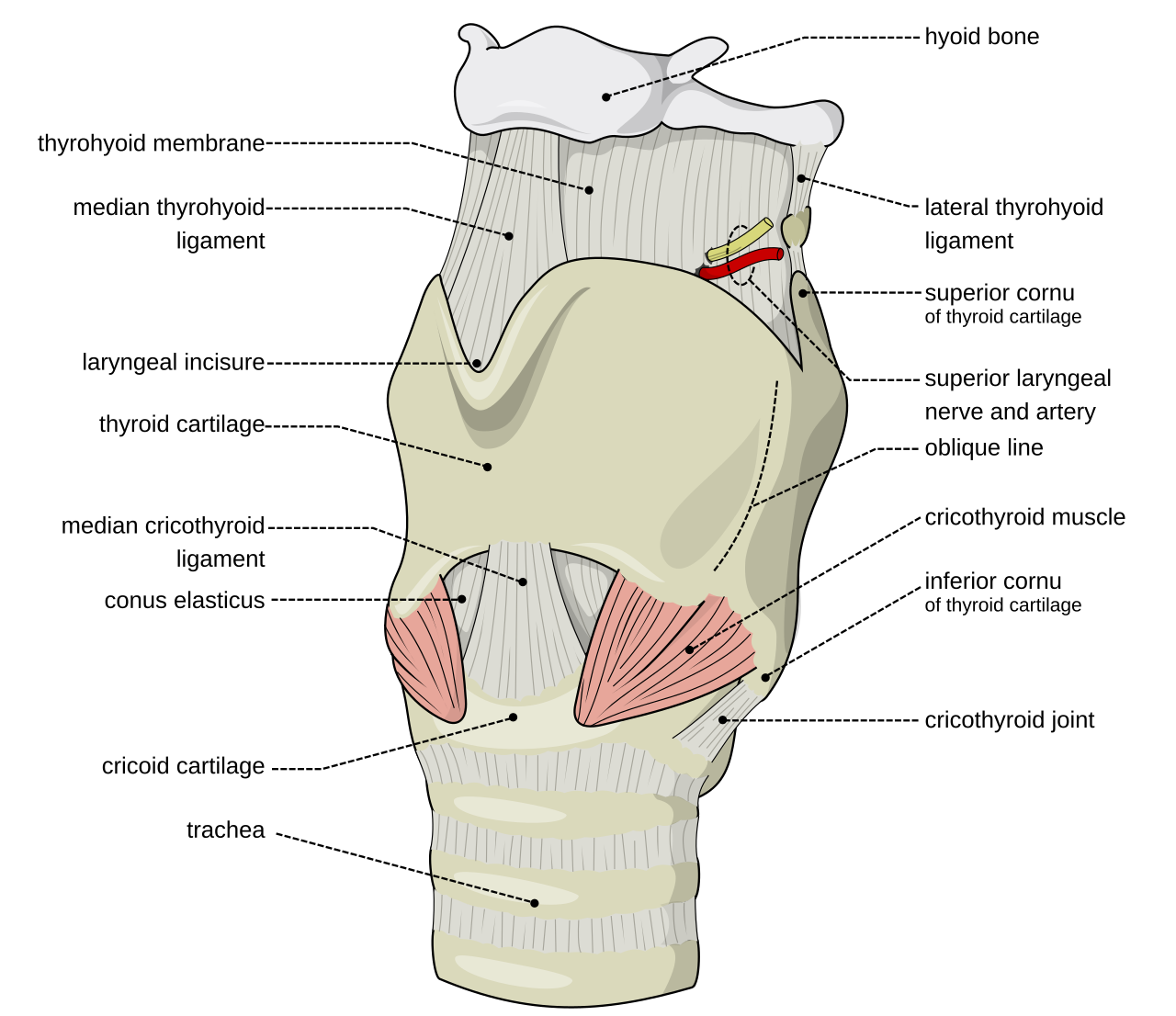
The thyroid cartilage holds a prominent position in the human neck, strategically located in the anterior (front) aspect. You can typically feel it as a firm, shield-like structure positioned above the thyroid gland and directly in front of the larynx, or voice box. It is the largest of the nine cartilages that collectively form the laryngeal framework, offering foundational support and definition to this crucial region. Anatomically, it usually resides at the level of the C4 to C5 cervical vertebrae, making it readily accessible for palpation in many individuals.
Composed of hyaline cartilage, a tough yet flexible connective tissue, the thyroid cartilage balances structural integrity with necessary mobility. Its distinctive shape is reminiscent of an open book or a shield, formed by two broad, flat plates known as laminae. These laminae fuse anteriorly in the midline, creating a vertical ridge that is often externally visible, especially in males, where it's famously known as the "Adam's apple." The angle at which these laminae meet varies significantly between individuals, influencing the external prominence of this projection. Further contributing to its unique design, the superior border of the cartilage features a V-shaped indentation, aptly named the superior thyroid notch.
Connections to Neighboring Structures
The stability and functionality of the thyroid cartilage are heavily reliant on its connections to other neck structures:
- Superiorly: Its upper edge is tethered to the hyoid bone, a unique U-shaped bone located higher in the neck, by the thyrohyoid membrane. This connection helps anchor the larynx in place while still allowing for its essential movements during swallowing and speech.
- Inferiorly: The thyroid cartilage articulates with the cricoid cartilage, a ring-shaped cartilage positioned directly below it. This articulation forms the cricothyroid joint, a pivotal point that enables crucial movements essential for voice modulation.
These intricate connections are more than just structural; they are fundamental to how the larynx operates as a cohesive unit, facilitating its complex movements and ensuring its stability during various physiological actions.
Vital Roles and Multifaceted Functions in Your Body
The thyroid cartilage is a true workhorse of the neck, performing a multitude of critical functions that are essential for survival and daily interaction:
1. Robust Protection of Delicate Structures
Perhaps its most fundamental role is to act as a formidable shield for the delicate internal components of the larynx, most notably the vocal cords. Its robust, plate-like structure creates a strong defensive barrier against external impacts, pressures, or potential injuries. Imagine the constant movements and potential minor traumas your neck experiences daily; the thyroid cartilage stands guard, safeguarding these soft tissues from harm. This inherent protection is paramount for maintaining the integrity of the airway and preserving the delicate machinery of voice production. To delve deeper into this protective capacity, you might find valuable insights in our article on Protecting Your Larynx: The Essential Functions of Thyroid Cartilage.
2. Orchestrating Voice Production (Phonation)
Beyond protection, the thyroid cartilage is an indispensable component in the miracle of human speech and singing. It serves as a crucial attachment point for the vocal cords themselves, which are bands of muscle tissue spanning the larynx. The dynamic interplay between the thyroid and cricoid cartilages at the cricothyroid joint is central to this function. Movements at this joint allow for precise adjustments in the tension and length of the vocal cords. As the vocal cords stretch or relax, the frequency of their vibration changes, directly influencing the pitch of your voice. This mechanism enables us to produce an astonishing range of sounds, from a low hum to a high note, and allows for the rich complexity of human communication. For a more detailed exploration of how this cartilage shapes your voice, consider reading Adam's Apple Demystified: How Thyroid Cartilage Shapes Your Voice.
3. Maintaining Airway Patency for Respiration
The continuous flow of air into and out of our lungs is non-negotiable for life, and the thyroid cartilage plays a significant part in ensuring this happens smoothly. Its stable position and firm structure help to maintain an open and unobstructed passage for air through the larynx. Without this structural support, the soft tissues of the airway could collapse, particularly during sleep or under certain conditions, leading to breathing difficulties. Thus, it is a key player in ensuring efficient and continuous respiration.
4. Integral to the Swallowing Mechanism
Swallowing is a highly complex, coordinated act that involves dozens of muscles and several anatomical structures working in perfect synchrony. The thyroid cartilage, as part of the larynx, is an active participant in this vital process. During the act of swallowing, the entire larynx, including the thyroid cartilage, elevates and moves forward. This movement contributes to the protective closure of the airway (by bringing the vocal cords together and tucking the epiglottis over the laryngeal inlet) and simultaneously helps to direct ingested food and liquids safely into the esophagus, preventing them from entering the trachea and lungs. Any impairment in this mechanism can lead to aspiration, a serious condition where food or liquid enters the airway.
The Adam's Apple: A Visible Manifestation of Thyroid Cartilage
The prominent anterior projection of the thyroid cartilage, especially noticeable in adult males, is commonly referred to as the "Adam's apple." This distinction arises primarily due to hormonal influences during puberty. Testosterone causes the larynx, and consequently the thyroid cartilage, to grow larger and its laminae to fuse at a sharper angle in males compared to females. This increased size and acute angle contribute to a more pronounced external bulge, often associated with a deeper voice. While less prominent, females also possess a thyroid cartilage, performing all the same critical functions, though its angle of fusion is typically wider, making the external projection less apparent.
Maintaining Thyroid Cartilage Health and Awareness
While the thyroid cartilage is generally robust, understanding its importance can empower you to take better care of your neck and vocal health. Here are a few practical considerations:
- Protect Your Neck: Be mindful of activities that could lead to direct trauma to the neck area. Sports where impacts are common might warrant neck protection.
- Vocal Hygiene: Since the thyroid cartilage is central to voice production, practices that protect your vocal cords indirectly support its function. This includes staying hydrated, avoiding excessive shouting or straining your voice, and giving your voice rest when needed.
- Recognize Symptoms: Persistent hoarseness, difficulty swallowing (dysphagia), or unexplained neck pain, especially around the laryngeal area, should prompt a visit to a healthcare professional. These symptoms could indicate underlying issues affecting the larynx or surrounding structures.
- Posture Awareness: Good posture can contribute to optimal alignment of neck structures, potentially easing strain on the laryngeal area.
Conclusion
The thyroid cartilage is far more than just a bony lump in your throat; it is an exquisitely designed anatomical component, critical for protection, communication, and vital bodily functions. Its strategic location, robust hyaline composition, and intricate connections enable it to serve as a sturdy guardian for the vocal cords, a dynamic orchestrator of voice pitch, a steadfast maintainer of the airway, and a crucial player in the complex act of swallowing. Appreciating this shield-like structure gives us a deeper understanding of the incredible biomechanics of the human body and reinforces the importance of caring for this often-unsung hero of the neck.