Protecting Your Larynx: The Essential Functions of Thyroid Cartilage
Deep within the human neck lies a remarkable structure, often unseen but constantly working: the thyroid cartilage. This resilient component is far more than just the prominent "Adam's apple" many recognize; it's a foundational pillar of the larynx, or voice box, serving as a critical protector and facilitator of some of our most vital bodily functions. From allowing us to speak and sing to ensuring every breath is unobstructed and every meal safely swallowed, the thyroid cartilage plays an indispensable role in our daily lives.
As the largest of the nine cartilages forming the laryngeal skeleton, its strategic positioning and unique architecture are perfectly engineered for its multifaceted responsibilities. Understanding the anatomy and functions of this unsung hero offers profound insight into the intricate workings of the human body and the delicate balance required for vocal communication, respiration, and digestion.
The Mighty Shield: Unveiling the Thyroid Cartilage's Anatomy and Location
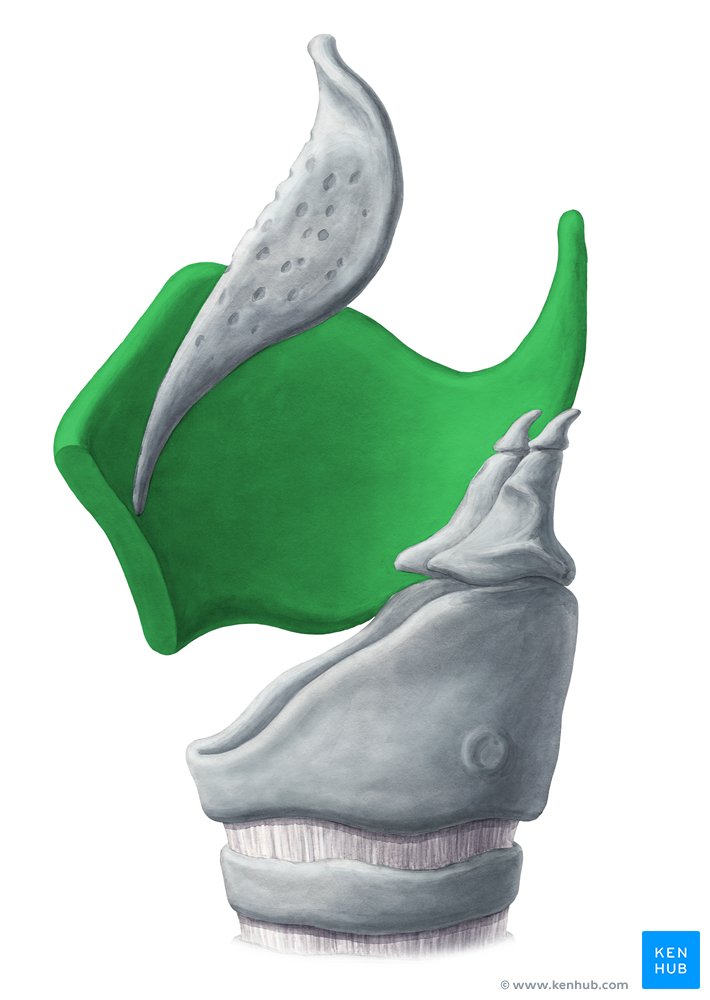
Imagine a natural fortress designed to safeguard delicate internal machinery; that's precisely the role of the thyroid cartilage. Situated in the anterior part of the neck, it resides above the thyroid gland and directly in front of the larynx. Its prominent position, often palpable and visible as the "Adam's apple," particularly in males, highlights its importance as a protective barrier.
Composed of hyaline cartilage, the thyroid cartilage boasts a tough yet remarkably flexible nature. This specific type of connective tissue is ideal for its role, providing robust structural support while allowing for necessary movements crucial for voice production and swallowing. It typically sits at the level of the C4 to C5 vertebrae, making it a central landmark in neck anatomy.
The distinctive shield-like shape of the thyroid cartilage is formed by two flat plates, known as laminae, which fuse together at the midline of the neck. This fusion creates the anterior projection that gives rise to the Adam's apple. The angle at which these laminae meet varies significantly between individuals and genders, influencing the external appearance of the neck. For instance, the more acute angle in males generally leads to a more pronounced Adam's apple. At its superior border, the cartilage features a characteristic V-shaped indentation called the superior thyroid notch, another key anatomical marker.
The thyroid cartilage is not an isolated structure; it is intricately connected to other vital components of the neck. Superiorly, its upper edge attaches to the hyoid bone, a U-shaped bone located higher in the neck, via the thyrohyoid membrane. Inferiorly, it forms a crucial joint with the cricoid cartilage, which is shaped like a signet ring. This articulation, known as the cricothyroid joint, allows for pivotal movements that are fundamental to vocal function. These strong yet flexible connections stabilize the entire larynx, ensuring it can perform its complex tasks effectively. To delve deeper into its intricate placement and form, explore our article on Thyroid Cartilage: Location, Anatomy, and Vital Roles in Your Neck.
Beyond Protection: Thyroid Cartilage's Pivotal Role in Voice Production
While its protective capabilities are undeniable, the thyroid cartilage is also a master orchestrator of one of humanity's most complex abilities: voice production, or phonation. It serves as the primary attachment point for the delicate vocal cords (also known as vocal folds), which are bands of muscle tissue spanning across the inside of the larynx.
The magic of voice creation begins with air expelled from the lungs passing through the vocal cords. The vibration of these cords produces sound, and the thyroid cartilage is central to modulating this sound. The critical cricothyroid joint, where the thyroid cartilage articulates with the cricoid cartilage, enables specific movements, such as tilting and rotation. These subtle yet powerful movements directly influence the tension and length of the vocal cords.
Consider the analogy of a guitar string: tightening a string increases its pitch, while loosening it lowers the pitch. Similarly, when the cricothyroid joint moves, it stretches or relaxes the vocal cords, altering their tension and length. This dynamic adjustment allows us to produce an astonishing range of pitches, from the lowest bass notes to the highest soprano tones, essential for both everyday speech and the nuanced artistry of singing. Without the precise mechanical contributions of the thyroid cartilage, our voices would be monotone and our ability to express ourselves vocally severely limited. The visible prominence often called the Adam's apple, largely formed by the thyroid cartilage, plays a fascinating role in voice. Discover more in Adam's Apple Demystified: How Thyroid Cartilage Shapes Your Voice.
Safeguarding Your Airway: Respiration and Swallowing Mechanics
Beyond voice, the thyroid cartilage performs two more life-sustaining roles: maintaining a patent (open) airway for respiration and ensuring safe swallowing. Its robust, stable structure is crucial for keeping the airway continuously open, allowing for uninterrupted airflow to and from the lungs. This constant patency is fundamental to every breath we take, ensuring our bodies receive the oxygen they need to function.
Furthermore, the thyroid cartilage is an active participant in the complex and highly coordinated process of swallowing. During this act, the entire larynx, including the thyroid cartilage, undergoes a rapid elevation and forward movement. This movement is a critical protective mechanism. It helps to tuck the larynx up and forward, bringing it under the protective cover of the epiglottis, a leaf-shaped flap of cartilage. This action effectively closes off the entrance to the trachea (windpipe), preventing food and liquids from entering the respiratory pathway – a potentially dangerous event known as aspiration.
Simultaneously, this laryngeal elevation helps direct the ingested material safely and efficiently into the esophagus, which leads to the stomach. The thyroid cartilage, therefore, works in concert with other laryngeal components and surrounding muscles to ensure that breathing and eating, two essential processes, do not conflict but rather occur with precision and safety.
Maintaining Laryngeal Health: Practical Tips and Insights
Given the thyroid cartilage's critical roles in protection, voice, breathing, and swallowing, maintaining its health, and by extension, the health of your larynx, is paramount. While you can't directly "exercise" the cartilage, you can adopt practices that support the entire laryngeal system:
- Stay Hydrated: Drinking plenty of water keeps the mucous membranes of the vocal cords moist and lubricated, reducing friction and preventing irritation. Dehydration can lead to vocal strain and hoarseness.
- Practice Vocal Hygiene: Avoid excessive yelling, screaming, or prolonged speaking in loud environments. Give your voice regular rests, especially if you use it professionally. Learn proper breathing techniques to support your voice without strain.
- Avoid Irritants: Smoking and excessive alcohol consumption are major irritants to the laryngeal tissues, including the vocal cords. Exposure to pollutants and allergens can also contribute to inflammation.
- Mind Your Posture: Good posture, particularly keeping your head and neck aligned, can reduce tension in the neck and throat muscles, which indirectly supports optimal laryngeal function.
- Be Aware of Reflux: Gastroesophageal reflux disease (GERD) can cause stomach acid to irritate the larynx, leading to chronic hoarseness, throat clearing, and even damage to vocal cords. Managing reflux can significantly improve laryngeal health.
- Listen to Your Body: Persistent hoarseness, difficulty swallowing, throat pain, or breathing changes should never be ignored. Consult a healthcare professional if you experience any concerning or prolonged laryngeal symptoms. Early detection and intervention are key for conditions affecting the larynx.
Conclusion
The thyroid cartilage, often recognized simply as the "Adam's apple," is a truly remarkable anatomical structure. Its primary role as a robust shield for the delicate vocal cords and other laryngeal tissues is critical for protection against external forces. Yet, its functions extend far beyond mere defense. It is an indispensable player in the intricate symphony of voice production, meticulously modulating vocal cord tension to create the rich tapestry of human speech and song. Furthermore, its stable framework ensures the continuous patency of our airway for respiration and orchestrates the precise movements necessary for safe swallowing. Understanding and appreciating the thyroid cartilage illuminates the profound complexity and ingenious design of the human body, reminding us of the countless unseen mechanisms that contribute to our ability to communicate, breathe, and nourish ourselves every single day.